
Points: 1.28 ( 0.85 Regular Review + 0.43 New Member Bonus )
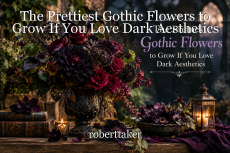
There is something magnetic about a garden that leans into shadow instead of running from it. Dark aesthetics have moved far beyond home decor and fashion. Now, they are showing up in gardens too. And gothic flowers are leading that change.
These blooms do not chase the usual idea of pretty. They skip soft pastels and go straight for deep plums, inky blacks, and rich burgundies. Yet somehow, they still feel romantic. Almost dreamy. Like something you would find growing outside an old, forgotten mansion.
If you love moody colors and a bit of drama in your space, this list is for you. Here are some of the prettiest gothic flowers you can grow, along with a few reasons why they work so well for a dark, elegant garden.
Dark aesthetics are all about depth and contrast. It is not about looking sad or gloomy. It is about looking rich, layered, and intentional. Gothic flowers do exactly that.
Their deep tones stand out against green leaves and pale stone. They catch the light in a different way than bright flowers do. Instead of shouting for attention, they draw people in slowly. That quiet pull is part of what makes them so charming.
A lot of home stylists talk about this same idea. Over at yourhomify, our community often shares how one dark flower or plant can shift the entire feel of a space.
Let's look at the flowers themselves.
This petunia is exactly what its name promises. The petals are smooth, deep, and almost fabric-like. It grows easily in pots or garden beds, which makes it a great pick for beginners who want to try gothic flowers without much fuss.
Few flowers feel as elegant as this tulip. Its petals are a rich purple-black, almost glowing under evening light. It blooms in spring, adding a striking contrast to the usual pastel tulip fields.
Tall and dramatic, this flower can reach great heights in a single season. Its dark, ruffled petals give any garden fence or wall a storybook feel. It is one of those gothic flowers that instantly changes the mood of a space.
This iris variety leans into deep, velvety purple-black tones. Its ruffled shape and bold color make it a favorite among gardeners who want elegance with an edge.
Compact and full, this petunia works beautifully in hanging baskets. Its dark, almost matte petals create a soft contrast against green foliage, giving a garden a calm yet mysterious feel.
Dahlias are known for their bold shape, and this variety takes that boldness further with deep maroon petals. It is a strong choice for anyone who wants their gothic flowers to feel structured and dramatic.
Also called the pincushion flower, this bloom has a unique, textured center. Its dark color and delicate shape give it a slightly wild, fairy tale feel, perfect for informal garden borders.
Though technically part of a shrub, its flower clusters add a hazy, smoky look to any garden. The soft purple tones blend beautifully with darker blooms nearby.
Unlike Queen of the Night, this tulip variety leans closer to true black. Its bold, glossy petals look almost like they are carved from stone, adding serious drama to spring flower beds.
This flower brings texture into the mix. Its ruffled edges and dark tone give it a soft, romantic touch, while still keeping that gothic, mysterious charm.
While most Black-Eyed Susans are bright yellow, certain dark varieties bring deep tones into vining plants. They work well on trellises, adding vertical drama to a garden.
Not just a herb, this plant produces small purple flowers atop deep purple leaves. It is a great choice for anyone who wants gothic flowers that also serve a practical purpose in the kitchen garden.
Gothic flowers are not usually harder to grow than regular flowers. Most just need good soil, the right amount of sun, and regular watering. A few simple tips can help them thrive:
These small steps make a big difference in how full and healthy your gothic garden looks.
You do not need a large garden to enjoy this aesthetic. A single stem of Queen of the Night Tulip or Black Magic Hollyhock in a vase can instantly change the mood of a room.
Pair these blooms with matte black vases, wooden textures, or soft candlelight for a cozy yet dramatic look. Many people in the yourhomify community enjoy experimenting with small floral touches like this to bring personality into everyday spaces.
Dark aesthetics are not about being gloomy. They are about embracing depth, contrast, and quiet elegance. Gothic flowers capture that idea perfectly. They prove that beauty does not always need bright colors to shine.
Whether you plant an entire bed of dark blooms or add just one dramatic flower to a vase, gothic flowers bring a unique charm that feels both romantic and mysterious. They turn an ordinary garden into something that feels like a page from an old, beautiful story.
Not usually. Most gothic flowers grow well in regular, well-drained garden soil, just like typical flowering plants.
Yes. Many varieties, like Black Velvet Petunia or Black Cat Petunia, do very well in containers and hanging baskets.
No. Care mostly depends on the plant type, not the color. Sunlight, water, and soil needs stay similar to other flowers.
Silver-leafed plants, pale greenery, and neutral-toned flowers help gothic blooms stand out even more.
Absolutely. Mixing dark blooms with brighter ones creates striking contrast and adds depth to any garden design.
© Copyright 2026 roberttaker. All rights reserved.
Regular reviews are a general comments about the work read. Provide comments on plot, character development, description, etc.
In-line reviews allow you to provide in-context comments to what you have read. You can comment on grammar, word usage, plot, characters, etc.
There are no connections to this writer. Send a connection request.


 Bonus
Bonus
